Solar & Battery Storage.
Certified Enphase installer with 25+ residential deployments across the DFW Metroplex. Residential today. Commercial rooftop coming in 2026.
Certified to Install Enphase.
Our residential teams are trained and credentialed on Enphase microinverter and battery systems — with PVOL101 and IREC-accredited qualifications.
- Enphase Certified Installer
- PVOL101 Accredited
- IREC Accredited
- Licensed Mechanical Contractor (TX) — TACLA124868E
- Licensed Electrical (TX) — TECL39666
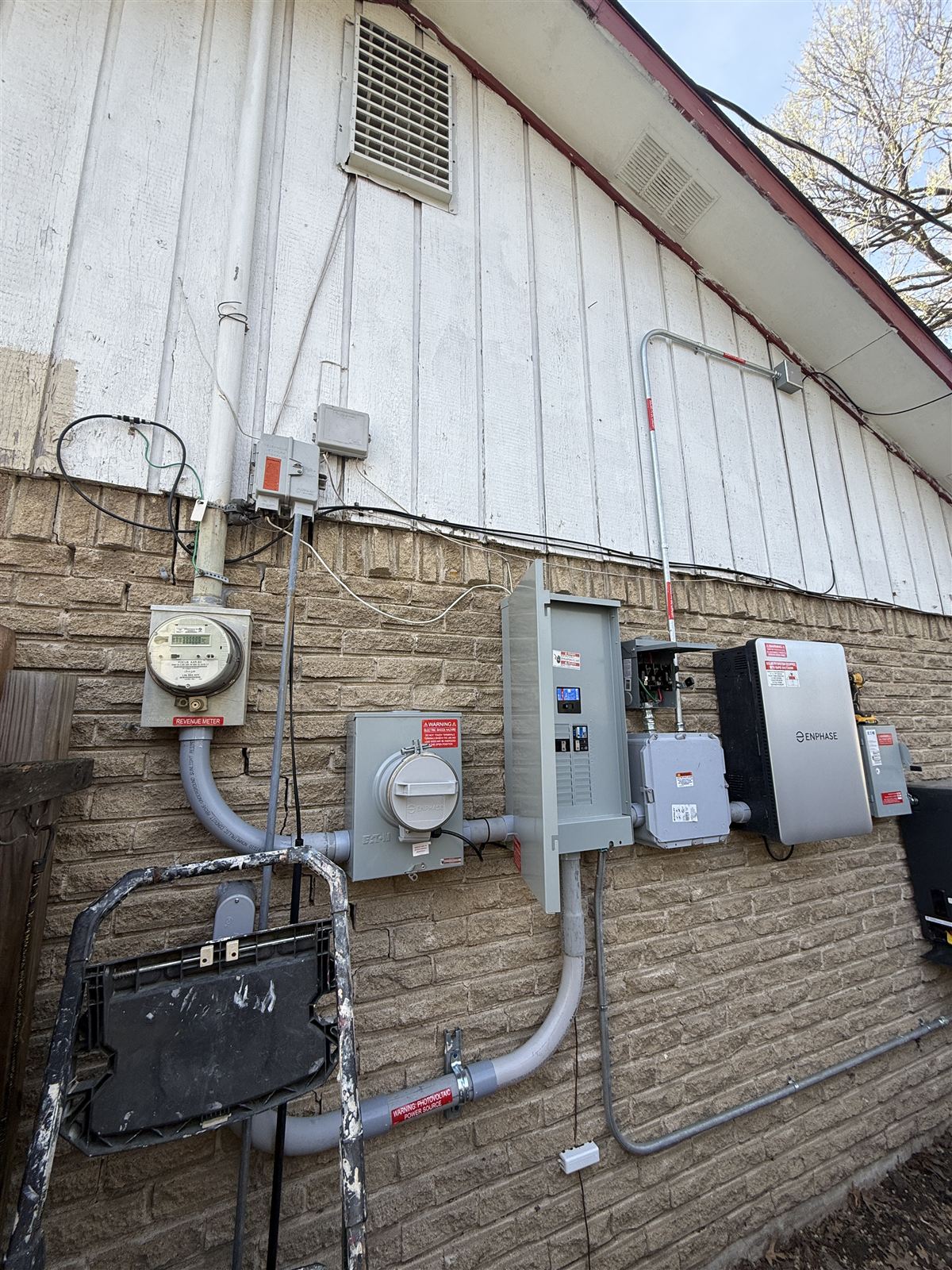
Straight from our crews' installs across DFW — panel mounting, combiner wiring, gateway commissioning, and IQ Battery staging.
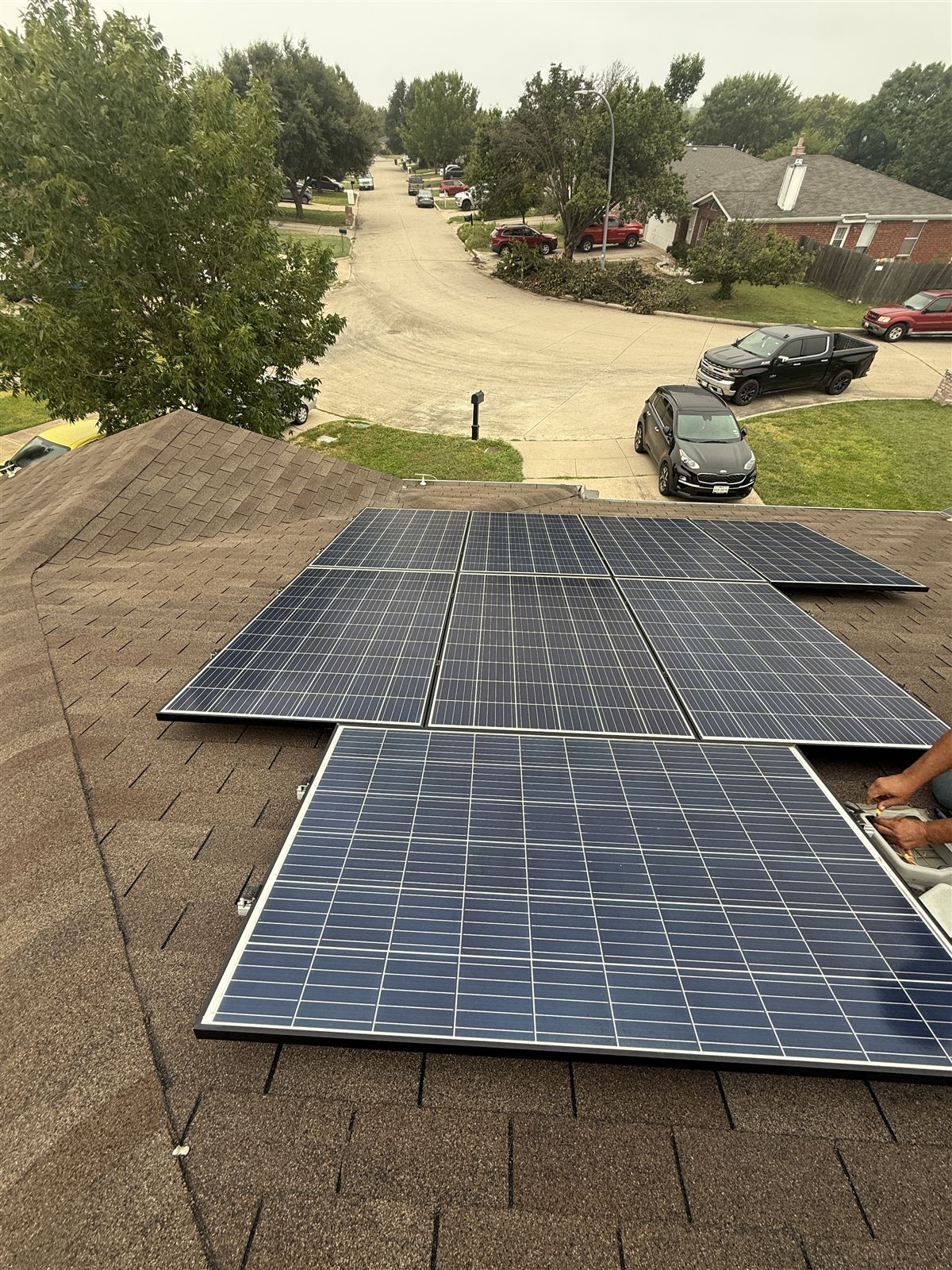
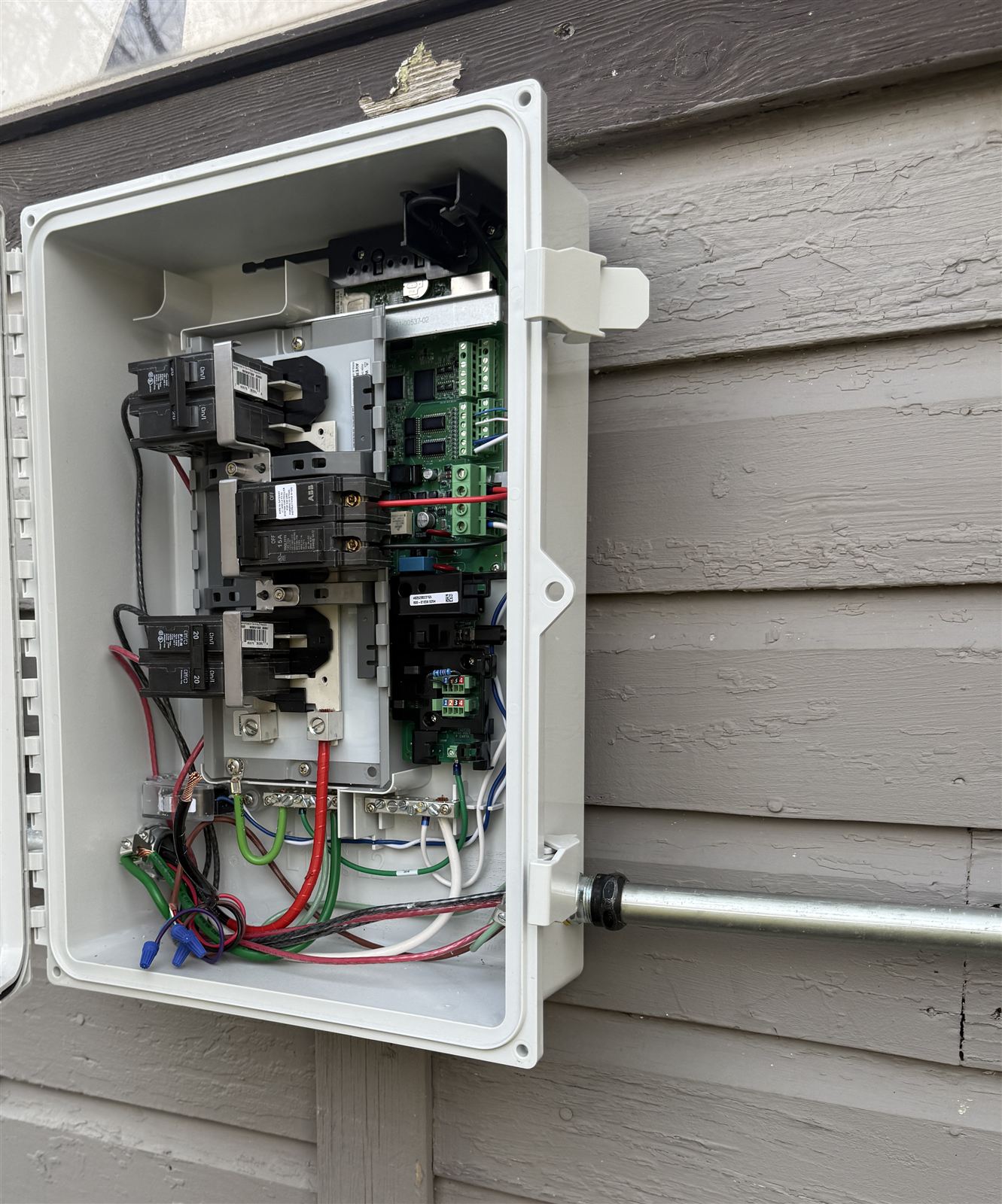
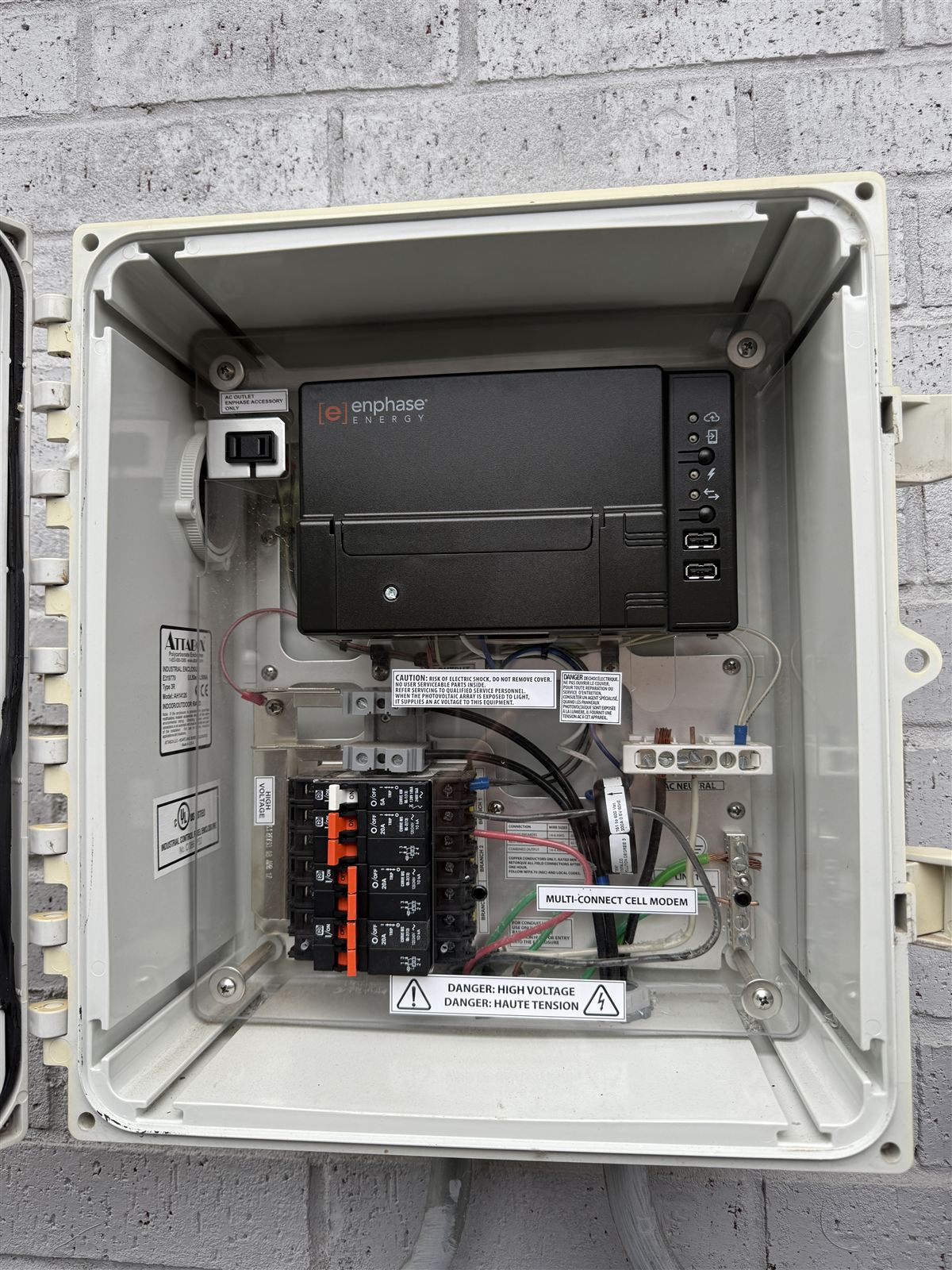
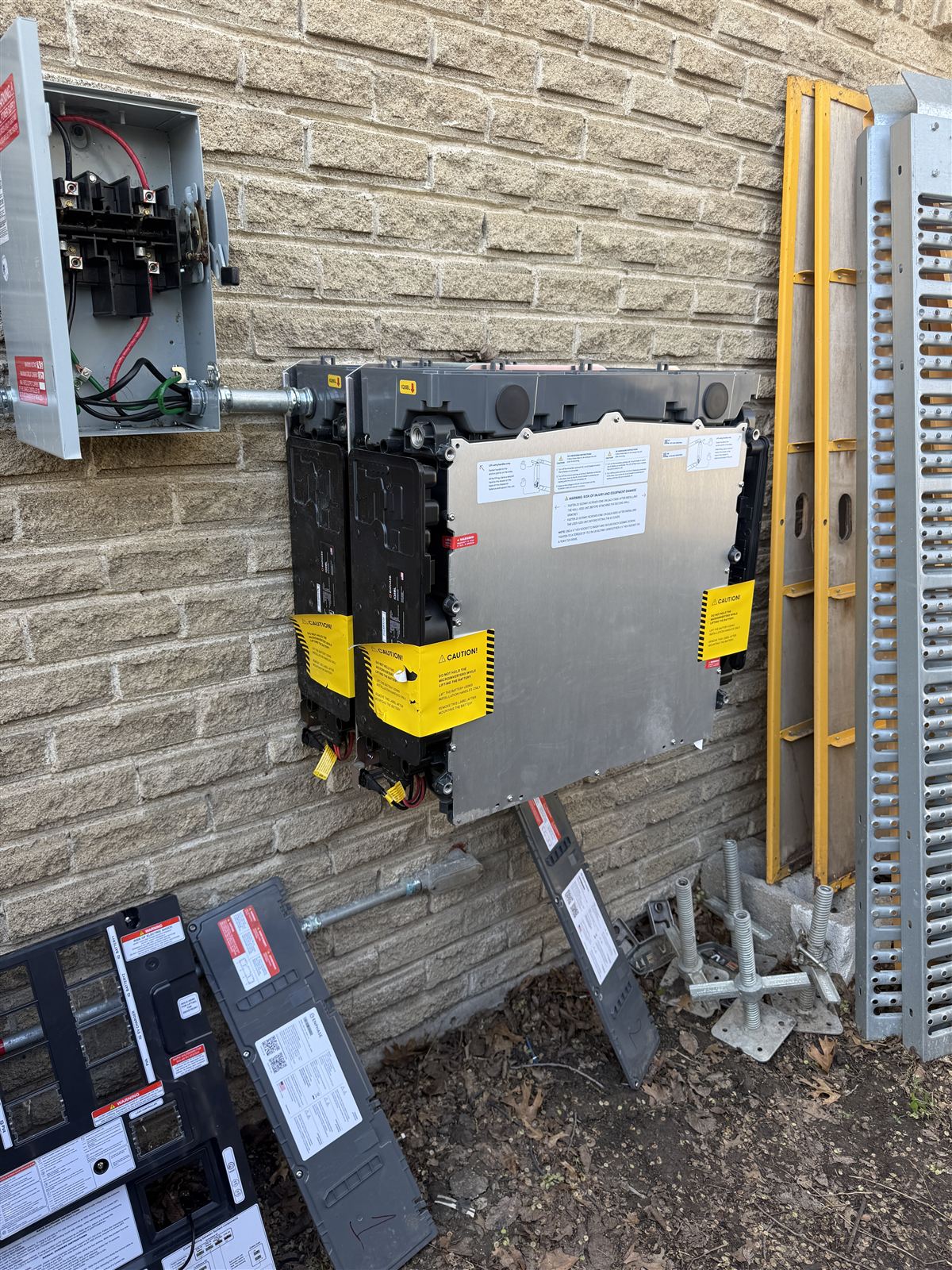
What's in a Phanton Solar Install.
End-to-end delivery — design through commissioning, with every system tested for NEC-compliant rapid shutdown.
- 01System design and site assessment
- 02Permitting and utility interconnection
- 03Panel and microinverter installation
- 04Enphase battery integration
- 05NEC-compliant rapid shutdown
- 06Monitoring setup and handoff
Expanding to Commercial Rooftop.
Our commercial mechanical crews are integrating solar into 2026 proposals for flat-roof warehouse, retail, and institutional projects across DFW. Early-look inquiries welcome.
Solar vs. Solar + Battery.
The one decision that changes everything about your system: whether it keeps working when the grid doesn't.
| Solar Only | Solar + Battery | |
|---|---|---|
| During a grid outage | System shuts off automatically (anti-islanding safety) | Islands from the grid — keeps essentials or whole home running |
| Bill savings | Offsets daytime usage; exports earn buyback credits | Adds time-of-use arbitrage — store cheap power, use it at peak rates |
| Additional cost | — | Roughly $10,000+ per battery installed, depending on capacity |
| ERCOT-event resilience | None once the grid drops | Hours to days of backup, sized to your critical loads |
| Best for | Lowest entry cost, bill-offset focus | Outage protection, peak-rate plans, energy independence |
Sources: Enphase — Warranties · Texas Comptroller — Property Tax Exemptions · IRS — Residential Clean Energy Credit
Solar Questions.
Honest answers for 2026 — including what changed with the federal tax credit.
Is the 30% federal solar tax credit still available in 2026?
Not for homeowner-purchased systems. The federal Residential Clean Energy Credit (Section 25D) ended for systems placed in service after December 31, 2025. Third-party-owned systems (leases and PPAs) can still capture federal value through the commercial 48E credit claimed by the provider. Texas incentives remain: a 100% property tax exemption on the value solar adds to your home (Texas Tax Code Section 11.27), solar buyback plans from retail electricity providers, and utility battery programs. We quote real post-credit economics — no outdated incentive math.
Is solar still worth it in DFW without the federal credit?
For many homes, yes — but not all, and we will tell you honestly. The math depends on your usage, your electricity plan, and your roof. What still works in 2026: North Texas gets roughly 230+ sunny days a year, the property tax exemption protects your home value, buyback plans credit exported power, and pairing a battery with time-of-use or free-nights plans lets you store cheap power and use it at peak rates. If your roof or usage profile does not pencil out, we would rather keep you as an HVAC customer than sell you a bad solar system.
Will my solar panels power my home during an ERCOT outage?
Solar alone will not — grid-tied systems shut down automatically during an outage for line-worker safety (anti-islanding, NEC rapid shutdown). Add an Enphase IQ Battery and the system islands: it disconnects from the grid and keeps your essential circuits, or your whole home, running from stored solar power. That distinction matters in Texas, where ERCOT conservation alerts and storm outages are a yearly reality.
Why do you install Enphase microinverters instead of string inverters?
Each panel gets its own microinverter, so one shaded or failed panel does not drag down the array, there is no single point of failure, and you get panel-level monitoring from day one. We are an Enphase Certified Installer with PVOL101 and IREC-accredited training, and the IQ Battery integrates natively with the same ecosystem.
Do you handle permitting, HOA approval, and utility interconnection?
Yes, end to end: city permits, utility interconnection, and monitoring handoff at commissioning. On HOAs — Texas Property Code Section 202.010 sharply limits an HOA’s ability to prohibit solar devices; they can regulate placement within reason but generally cannot ban a code-compliant installation. We prepare the HOA submittal package as part of the project.
How long does a residential solar installation take?
The on-roof installation is typically one to three days. The full timeline — site assessment, design, permitting, utility approval, installation, inspection, and permission to operate — usually runs several weeks and varies by city and utility. We manage every step and keep you posted at each gate.
Ready to go solar?
We'll assess your roof, size your system, handle the permitting, and hand you monitoring on day one.